How to Spot a Crypto Scam: Warning Signs and How to Protect Yourself
How to recognise cryptocurrency scams: promises of guaranteed returns, fake exchanges, phishing, requests for a seed phrase, romance scams and what to do if it happens.
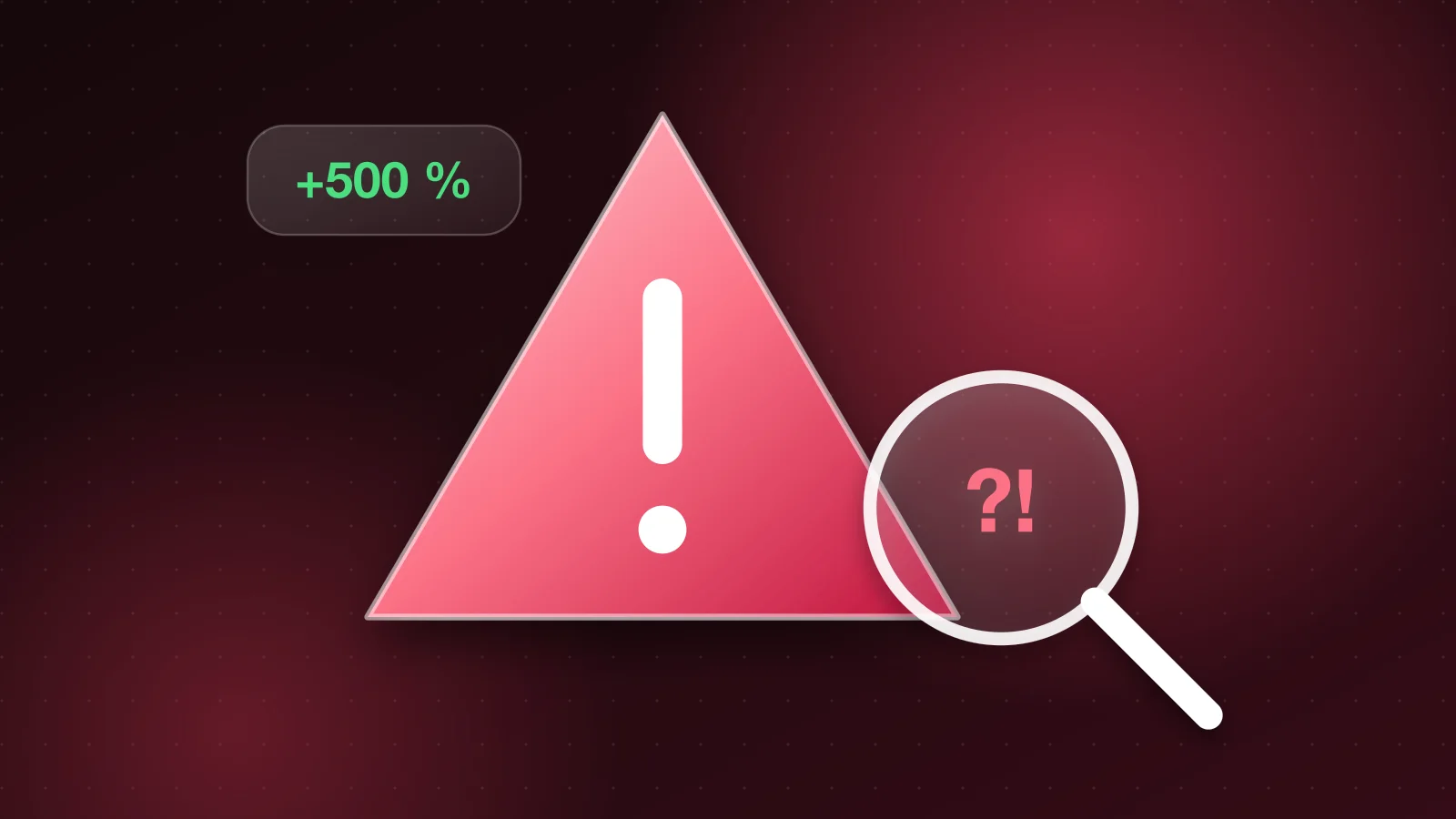
In short: if someone promises a guaranteed or extreme return, pushes you to decide quickly or asks for your seed phrase or access to your account, it is almost certainly a scam. Never share your seed phrase, check website addresses and buy only on trustworthy platforms.
The most common scams
Guaranteed returns and "investment platforms"
They promise tens of percent a week or a "doubling" of your deposit. A guaranteed return does not exist. At first they may pay out a small amount to convince you to deposit more, and then they shut the platform down.
Phishing and fake websites
Fraudulent pages imitate exchanges and wallets. Check the address in your browser, save the official links and never log in through a link from an email or a message.
A request for your seed phrase
Neither exchange support nor a wallet manufacturer will ever ask for your seed phrase. Whoever asks for it is a scammer.
Fake influencers and Telegram messages
Scammers pose as well-known personalities or "analysts" and offer paid signals or account management. Verify the account and be suspicious of unsolicited offers.
Romance scams and "pig butchering"
An online acquaintance ends with an offer of a "great investment" on a platform recommended by the new friend. Once larger amounts are deposited, nothing can be withdrawn.
Fake tokens and rug pulls
The project's authors sell their tokens and disappear. The telltale signs are a lure of quick profit and no verifiable team.
Warning signs
- a guaranteed or disproportionately high return,
- time pressure ("the offer ends today"),
- nobody explains where the profit comes from,
- a need to send money to a private address or to a person,
- a request for your seed phrase, password or remote access to your computer,
- being unable to withdraw money without further "fees".
How to protect yourself
- Use well-known regulated platforms.
- Turn on two-factor authentication with an app, not SMS.
- Keep larger amounts in a wallet, ideally a hardware one, see Trezor vs Ledger.
- Keep your seed phrase offline and tell it to no one.
- Look up reviews and warnings before depositing money.
- Invest only what you can afford to lose.
What to do if it happens
- Stop sending more money, even if they promise a refund.
- Keep all evidence: messages, wallet addresses, transaction IDs.
- Contact your bank or the exchange if the transfer went through them.
- File a report with the police in your country.
- Beware of "recovery" services that promise to get your money back for a fee. They are often another scam.
Frequently asked questions
Can I get my money back after a scam?
Recovery is usually difficult because cryptocurrency transactions cannot be reversed. Acting quickly and contacting the police and the exchange raises the chance, but guarantees nothing.
How do I check that a platform is trustworthy?
Check its regulation, the operator, a longer history, reviews and whether money can be withdrawn. Do not let yourself be pushed into a quick decision.
Is it safe to leave cryptocurrency on an exchange?
It is convenient but risky. For larger amounts your own wallet is safer.
For information only, not legal or investment advice. If you suspect a scam, contact the police.