What Is DeFi (Decentralized Finance): How It Works, Examples and Risks
What DeFi is, how decentralized exchanges and loans work, what liquidity and a pool are, examples such as Uniswap and Aave, and the risks including smart contracts, losses and taxes.
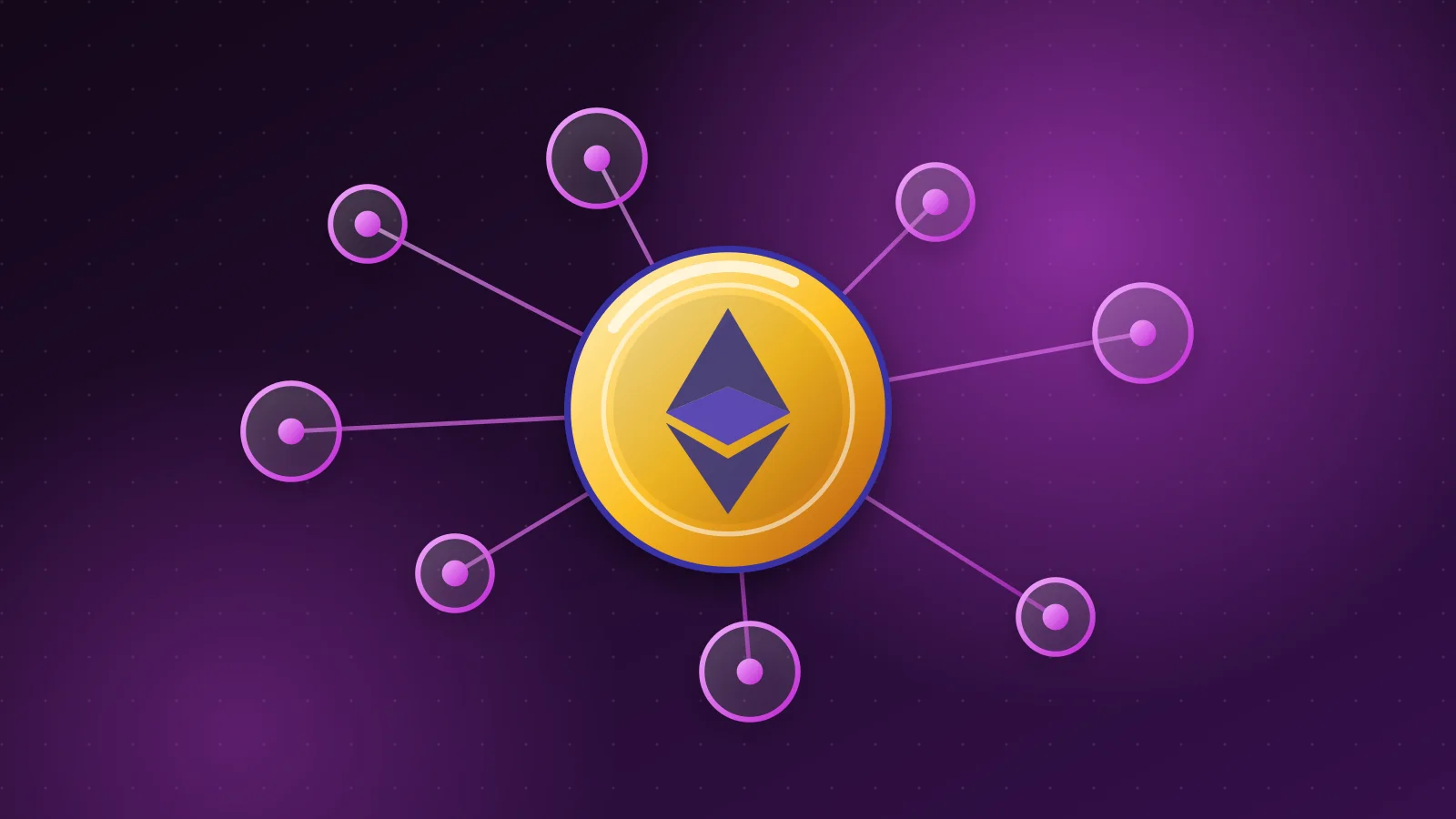
In short: DeFi is financial services (exchange, loans, interest) running on a blockchain without a bank, controlled by smart contracts. It brings openness and new possibilities, but also high risks: bugs in code, scams and losses with no way to complain.
What DeFi offers
- Decentralized exchanges (DEX). You swap tokens directly between wallets without an intermediary, for example Uniswap.
- Loans and deposits. You lend or borrow cryptocurrencies at an algorithmically set interest rate, for example Aave.
- Liquidity pools. Depositors supply the tokens that swaps are made from and receive a share of the fees.
- Staking and derivative services, see What is staking.
How it works
DeFi applications are programs called smart contracts. They run on a blockchain, most often Ethereum, and carry out rules automatically. To use them you need your own wallet (for example MetaMask) and cryptocurrency for fees. The basics are explained in What is a blockchain and the difference between networks in Bitcoin vs Ethereum.
Example: a decentralized loan
You deposit a cryptocurrency as collateral and borrow a stablecoin. The collateral must be worth more than the loan. If its price falls, the contract automatically sells the collateral (liquidation). More about stablecoins in What are stablecoins. The DeFi activity of the Ethereum network is shown in the "in depth" view on the Ethereum page.
Risks
- Bugs in smart contracts. A vulnerability can lead to funds being drained.
- Impermanent loss. A liquidity provider can end up worse off than by simply holding when token prices change.
- Liquidation of loans when the collateral falls.
- Scams and rug pulls. Unverified projects can be abandoned by their authors. See How to spot a crypto scam.
- No protection. Nobody will return lost funds, there is no deposit insurance.
- Network fees can eat up the return on smaller amounts.
Taxes
DeFi income is generally taxed as income and swapping tokens can be a taxable event. The rules are complex and depend on your country, and for larger amounts it is wise to consult an adviser.
How to start more safely
- Start with an amount you can afford to lose.
- Use only verified protocols that have worked for a long time.
- Secure your wallet, ideally a hardware one: Trezor vs Ledger.
- Never share your seed phrase and always check website addresses.
Frequently asked questions
Is DeFi safe?
Not without risk. Even well-known protocols have been exploited, and code errors cannot be reversed.
Can I earn money with DeFi?
Yields exist, but they fluctuate and come with risks. A high promised yield is a warning sign.
Do I need an exchange for DeFi?
Rather your own wallet. But you will usually buy cryptocurrency on an exchange first.
For information only, not investment advice. DeFi is highly risky and you can lose your entire investment.