What Is Crypto Staking: How It Works, What the Returns Are and the Risks
What staking is, how proof of stake works, where to stake, why returns fluctuate and what the risks are (lock-up, slashing, the platform), plus a note on taxes.
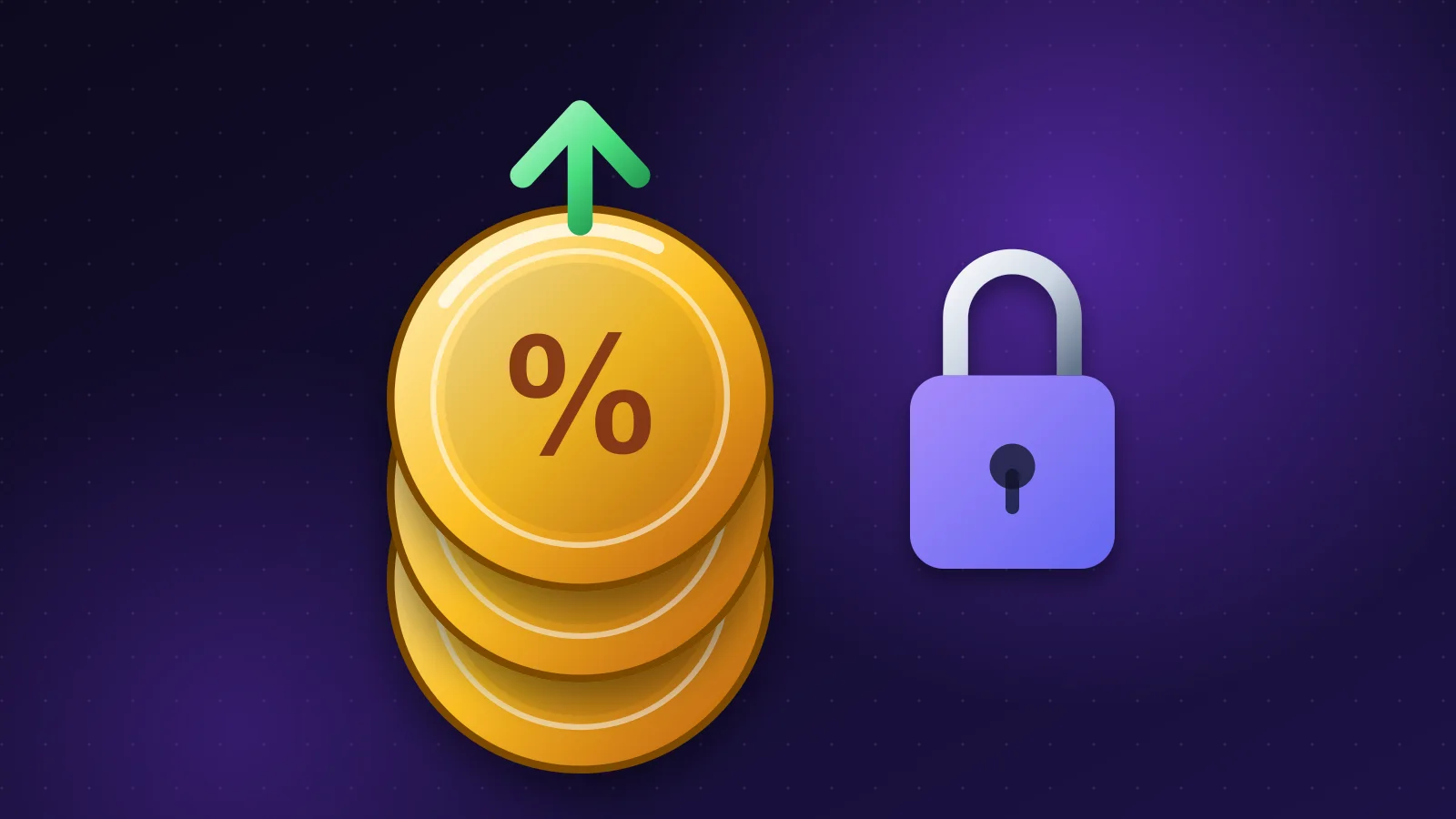
In short: staking means locking a cryptocurrency so that it helps secure a proof of stake network, and receiving a reward for it. The yield is not guaranteed and fluctuates. The risks are a fall in the coin's price, locked funds, technical risks and platform risk. Staking rewards are generally taxed as income.
How staking works
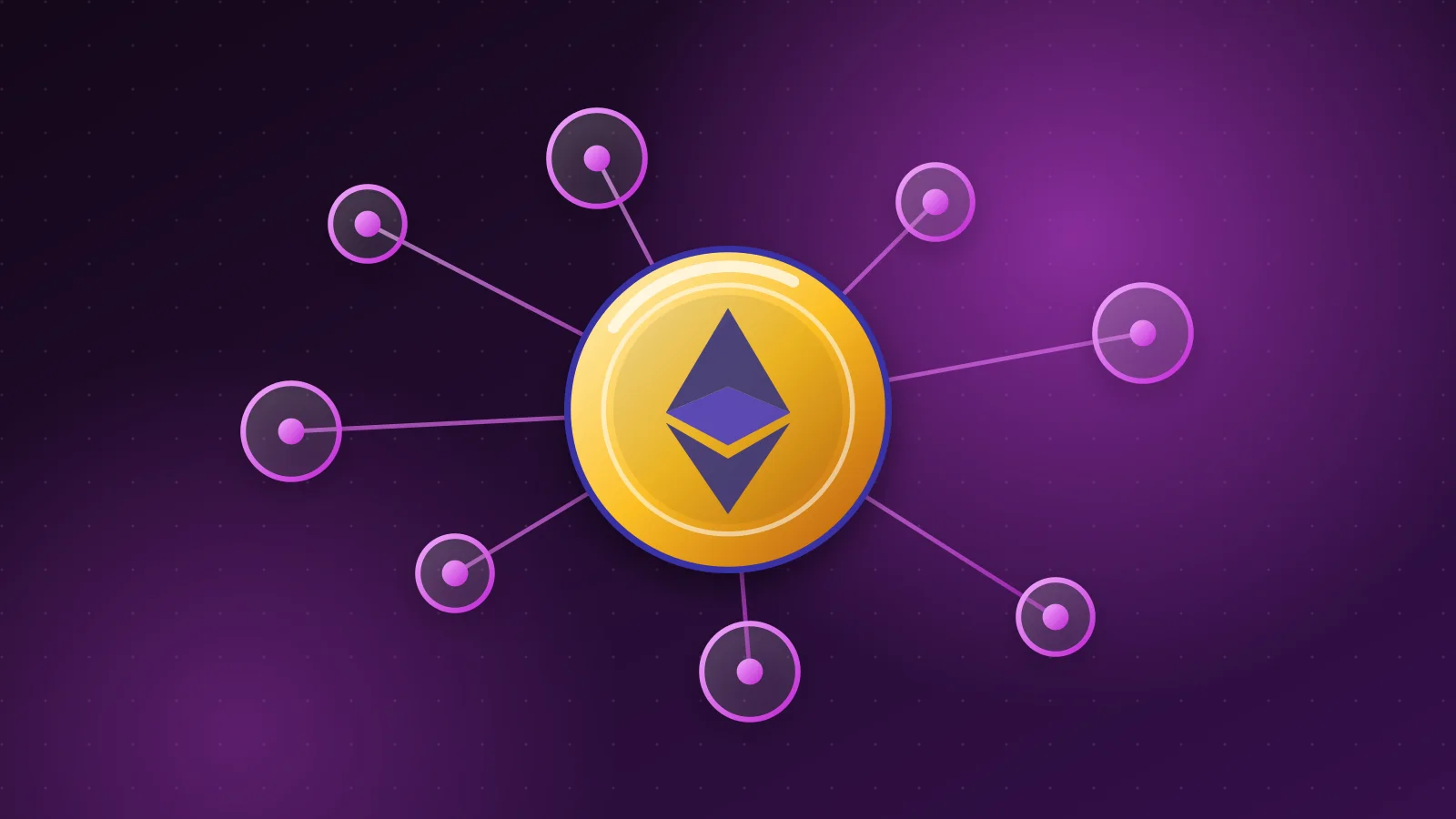
Many blockchains, for example Ethereum or Solana, use proof of stake. Instead of mining, transactions are verified by validators who lock up part of their coins as collateral. They receive a reward for honest work. An ordinary holder can "delegate" coins to a validator, or lock them through an exchange or a service, and receive a proportional share of the reward.
Where to stake
- Through an exchange. The simplest way, a few clicks. You pay a commission and carry the exchange's risk.
- From your own wallet. You keep control of the coins and delegate them yourself. It takes some know-how.
- Through a staking protocol (liquid staking). You receive a token representing the locked coins, but the risk of smart contract errors is added.
What the returns are
The yield is expressed as a percentage a year (APY or APR) and differs by coin, network and provider. It is not guaranteed: it changes with the number of participating validators and with the coin's price. A high promised yield is a warning sign, not an advantage. The reward is paid in the same coin, so if the price falls, a larger number of coins may only partly make up for the loss.
Risks
- Price risk. The coin's value can fall by more than the reward.
- Lock-up. Some networks require an unlocking period during which you cannot sell.
- Slashing. A validator that misbehaves or goes offline can lose part of the locked funds.
- Platform risk. If you stake through an exchange, you rely on its trustworthiness.
- Technical risks. Bugs in software or a smart contract.
Taxes
In many countries staking rewards are taxed as income when you receive them, and exemptions that apply to selling held coins may not apply to them. The rules depend on where you live, so check with a local tax adviser. Keep records of the amount and date of every reward.
When staking makes sense
If you plan to hold the cryptocurrency for the long term anyway, staking can add a yield. If you may need to sell quickly, a lock-up may not suit you. Basic information about the networks is in Solana vs Ethereum.
Frequently asked questions
Is staking safe?
It is not risk-free. The coin's price can fall, the platform can fail and funds can be locked or partly lost through slashing.
How much can you earn from staking?
The yield is not guaranteed and differs by coin and provider. Do not believe promises of extremely high yields.
Is staking taxed?
In many countries yes, rewards are taxed as income. The details depend on your country.
Can I unlock the coins at any time?
It depends on the network and the provider. Some have a waiting period.
For information only, not investment advice. Cryptocurrencies are very risky and their prices swing sharply.