What Is a Blockchain and How Does It Work: A Simple Explanation for Beginners
What a blockchain is, how a chain of blocks works, what mining and proof of stake are, what it is used for besides cryptocurrencies and what its limits are. A clear introduction.
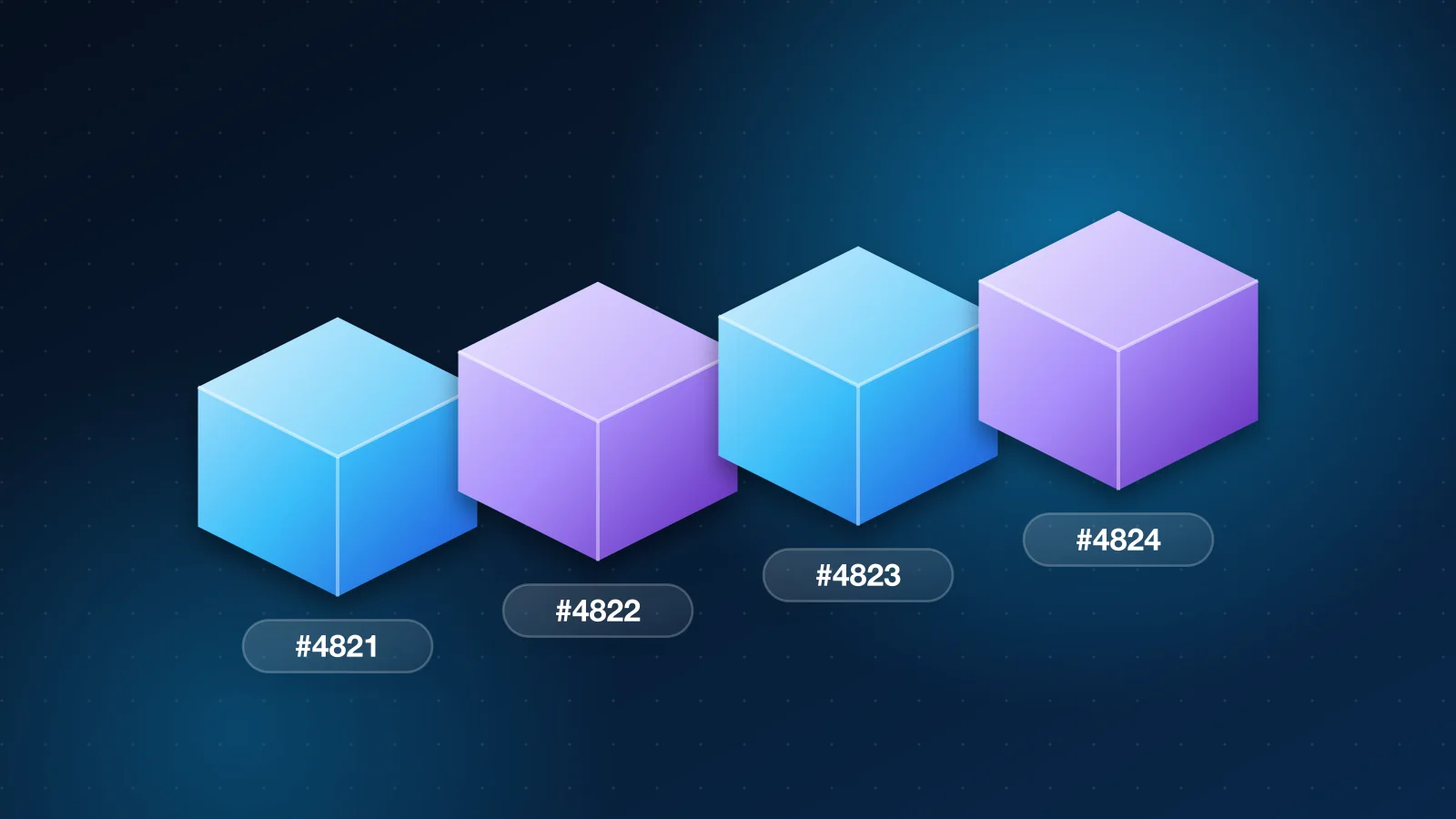
In short: a blockchain is a shared database of transactions that no single party owns. Transactions are grouped into blocks and the blocks are chained together with cryptography, so older records cannot be changed unnoticed. Cryptocurrencies such as Bitcoin and Ethereum work on this principle.
How a blockchain works
Imagine an accounting ledger of which thousands of computers around the world hold the same copy. New transactions are collected into blocks. Each block contains a cryptographic fingerprint (a hash) of the previous block, so together they form a chain. If someone changed an older record, the fingerprints would stop matching and the network would reject the change.
Decentralization
No bank or company stands above the network. Participants decide on the validity of transactions according to shared rules. That means there is no single point of failure, but also no one who could refund a payment sent by mistake.
How transactions are confirmed
- Proof of work (mining). Computers compete in computational work and the winner adds a block. Bitcoin uses it. See What is the Bitcoin halving.
- Proof of stake. Validators lock up their coins as collateral and receive a reward for confirming transactions. Ethereum uses it. See What is staking.
Smart contracts
Some blockchains, for example Ethereum, can run programs called smart contracts. They carry out agreed rules automatically and form the basis of decentralized applications (DeFi, NFTs). The difference between networks is explained in Bitcoin vs Ethereum and Solana vs Ethereum.
Uses beyond cryptocurrencies
- tracking the origin of goods in supply chains,
- recording digital assets and tokenization,
- international payments,
- verifying documents.
Limitations
- Speed and fees. Public blockchains tend to be slower than centralized systems.
- Energy use with proof of work.
- Irreversibility. A transaction sent by mistake cannot be taken back.
- User security. Losing a private key means losing the funds, see Trezor vs Ledger.
How to get started with cryptocurrencies
If the blockchain interests you and you want to try cryptocurrencies, start with a small amount and an established exchange. Current prices are in the cryptocurrency prices screener.
Frequently asked questions
Is a blockchain the same thing as Bitcoin?
No. Bitcoin is a cryptocurrency that uses a blockchain. Thousands of other projects use the technology.
Is a blockchain secure?
The network itself is resistant to changes of records, but users and the applications built on top of it are frequent targets of scams and mistakes.
Who controls a blockchain?
The network participants together, according to the protocol's rules, not any single person or company.
For information only, not investment advice. Cryptocurrencies are very risky and their prices swing sharply.