What Is CFD Trading and Why Is It So Risky for Beginners
What CFDs (contracts for difference) are, how they work with leverage, what the fees and risks are, why most small traders lose money and what the alternatives are for long-term investing.
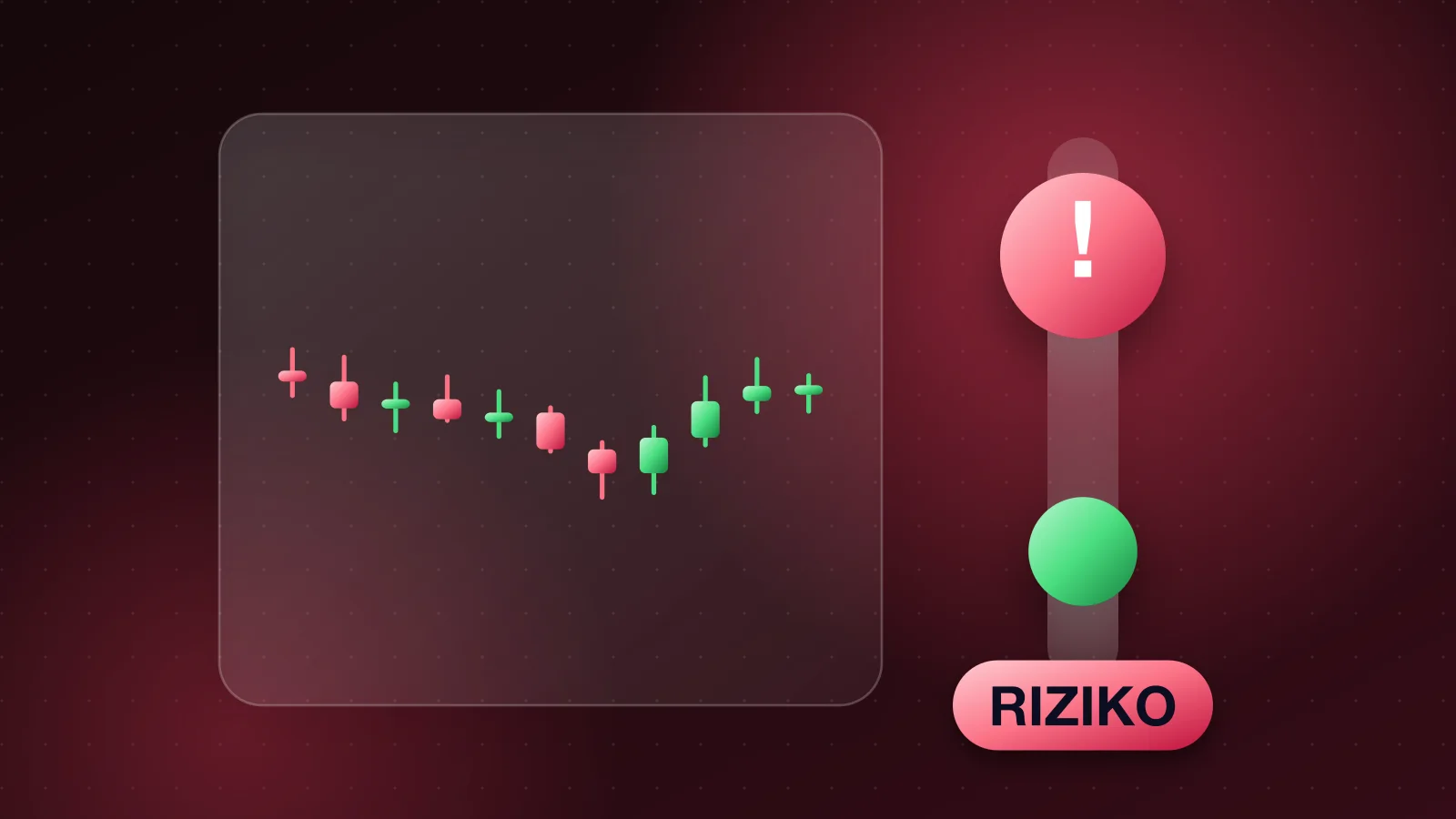
In short: a CFD (contract for difference) is a derivative in which you do not own the stock or currency, you only bet on the change in its price, usually with leverage. Leverage magnifies both profit and loss, so you can lose money very quickly. Brokers must disclose that most retail clients lose money on CFDs. CFDs are not suitable for long-term investing.
What a CFD is
With a CFD you enter into a contract with a broker on the difference between the price when a trade is opened and when it is closed. You do not buy a real stock, gold or currency. If the price rises and you "bought", the broker pays you the difference. If it falls, you pay the difference. You can also bet on a fall (short).
What leverage is
Leverage lets you trade a larger volume than you have in your account. With 1:10 leverage you put in 1,000 and control a position worth 10,000. A 1% price move changes the value of the position by 100, which is 10% of your deposit. Profits and losses are multiplied. If the price goes against you, you can lose your whole deposit very quickly and the broker can close the position automatically.
How big the risk is
Regulators require brokers to publish the share of clients who lose money on CFDs. It is usually the majority, often around 70 to 80% of accounts. You will find the exact figure in the risk warning of each broker. European rules also limit the maximum leverage for retail clients.
Hidden costs
- Spread. The difference between the buy and sell price.
- Overnight fees (swap). You pay for holding a position overnight.
- Currency conversion fees and possible commissions.
- Slippage. The difference between the expected and actual price when the market moves fast.
CFDs vs. real stocks and ETFs
| CFD | Stocks and ETFs | |
|---|---|---|
| Ownership | none, only a contract | a real share |
| Leverage | yes | no (for standard ones) |
| Maximum loss | can be large and fast | the value of the investment |
| Dividends | adjusted under the broker's rules | yes |
| Suited for | experienced, short-term traders | long-term investing |
Rules for a safer approach
- If you have no experience, do not try CFDs, start with ETFs, see What is an ETF.
- Use a demo account and try trading without real money.
- Never risk more than you can afford to lose, and use a stop-loss.
- Choose low leverage.
- Do not be pushed by promises of quick profit, see How to spot a scam.
Most brokers also offer classic stocks and ETFs without leverage. For the forex side see What is forex.
Frequently asked questions
Can I lose more than I deposit with CFDs?
For retail clients in the EU, brokers usually provide negative balance protection, so the loss is limited to the deposit. Even so, you can lose the deposit very quickly.
Are CFDs suitable for long-term investing?
No. Overnight holding fees and leverage make them a tool for short-term trading.
Is tax paid on CFDs?
Profits are generally taxed as income, and exemptions for long-held securities usually do not apply to CFDs. Check the rules with your tax authority or adviser.
What is better: CFDs or ETFs?
For most people ETFs. They are simpler, without leverage and suitable for a long-term goal. See What is an ETF.
For information only, not investment advice. CFDs are complex instruments and, because of leverage, carry a high risk of quickly losing money.