Portfolio Diversification: How to Spread Risk Across Stocks, ETFs and Other Assets
What diversification is, why not to put everything into one investment, how to spread a portfolio across regions, sectors and asset types and how to do it with one or two ETFs.
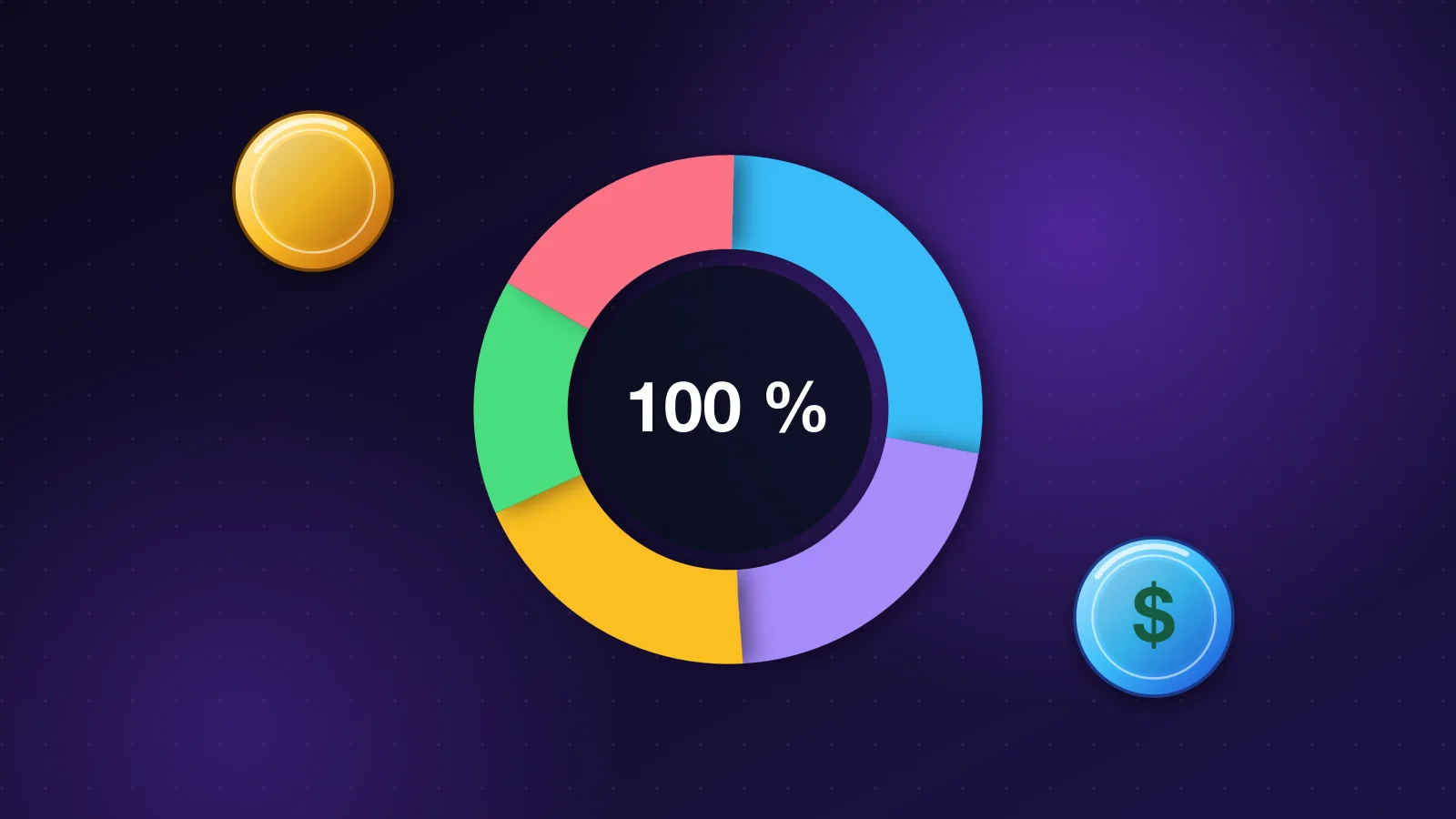
In short: diversification means not putting all your eggs in one basket. By spreading your money across many companies, countries and asset types you reduce the impact of one investment failing. The simplest way is a broad world ETF. Diversification reduces risk but does not remove it: when the whole market falls, diversified portfolios fall too.
Why diversify
A single company can run into trouble: a bad product, a scandal or bankruptcy. If a large part of your wealth is in it, it hits you hard. If you hold hundreds or thousands of them, the failure of one is only a small blow. Diversification is therefore a basic rule of sensible investing.
What you can diversify across
- Across companies. More stocks instead of one.
- Across industries. Technology, health care, consumer, financials, energy and others.
- Across regions. The US, Europe, emerging markets.
- Across asset types. Stocks, bonds, gold, real estate, cash.
- Over time. Regular buying instead of a one-off purchase (dollar-cost averaging).
- Across currencies. Your home currency, the euro, the dollar.
The simplest diversification: one ETF
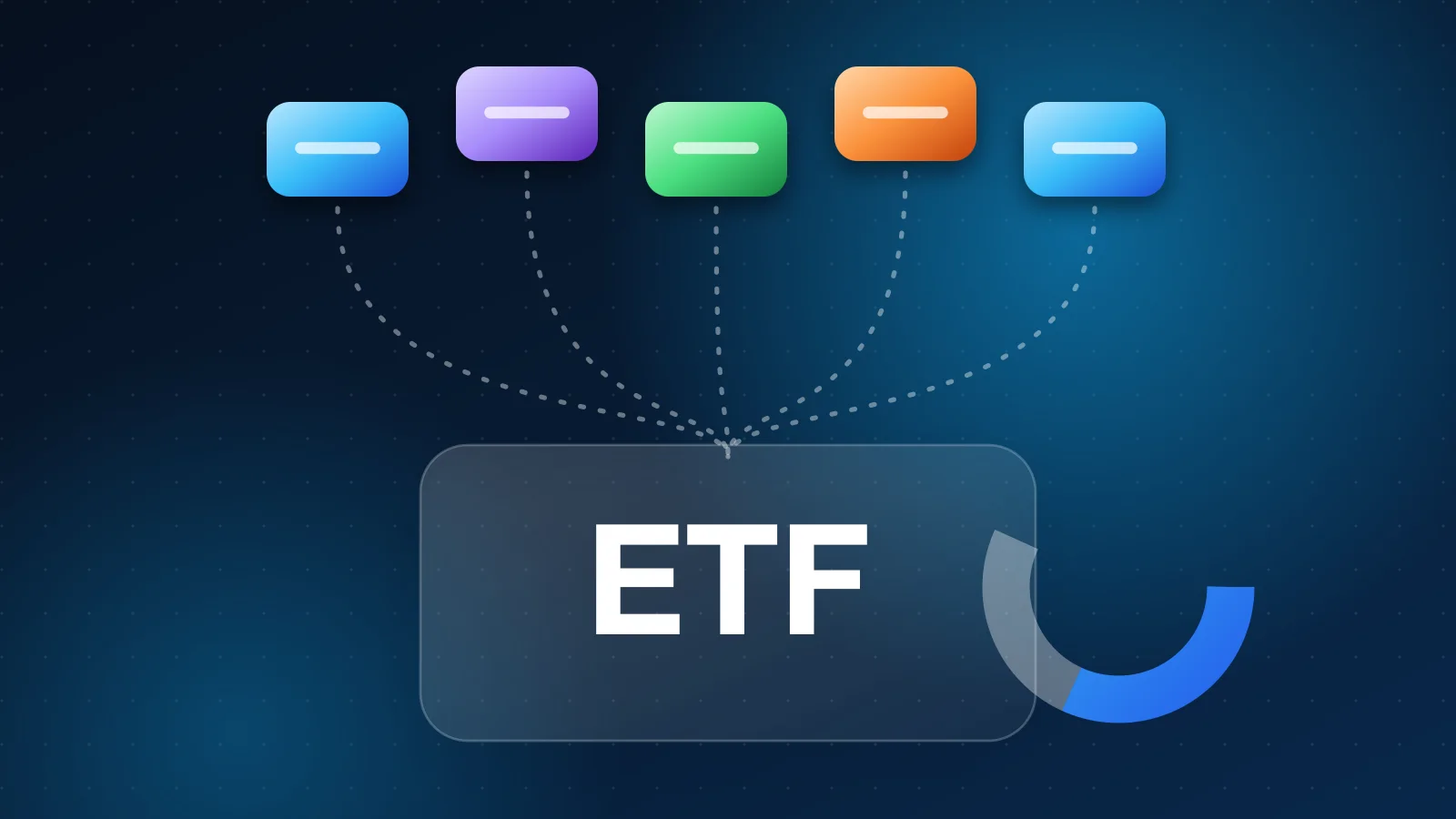
A world stock ETF contains thousands of companies from dozens of countries. With one purchase you achieve broad diversification across companies, industries and regions. See What is an ETF.
Adding other assets
If you want less fluctuation, you can put part of your money into bonds or savings products. The ratio depends on your age, horizon and risk tolerance. Younger investors with a long horizon often hold more stocks, those approaching the time they need the money more stable assets.
Common mistakes
- False diversification. Five technology stocks are not diversification, because they will move similarly.
- Too many products. Dozens of overlapping funds add complexity, not protection.
- Home bias. Holding only companies from your own country limits the spread.
- Concentration in one stock for the sake of "safety", for example your employer.
- No review. The proportions in a portfolio change over time and occasionally need rebalancing.
Diversification and crypto
Cryptocurrencies are very volatile and correlate with market risks. If you want to hold them, hold only a small part of your wealth. Basics in What is a blockchain and How to spot a crypto scam.
Frequently asked questions
How many stocks or funds do I need?
With individual stocks typically dozens from different industries. With ETFs, one or two broad funds are often enough.
Does diversification protect against a market fall?
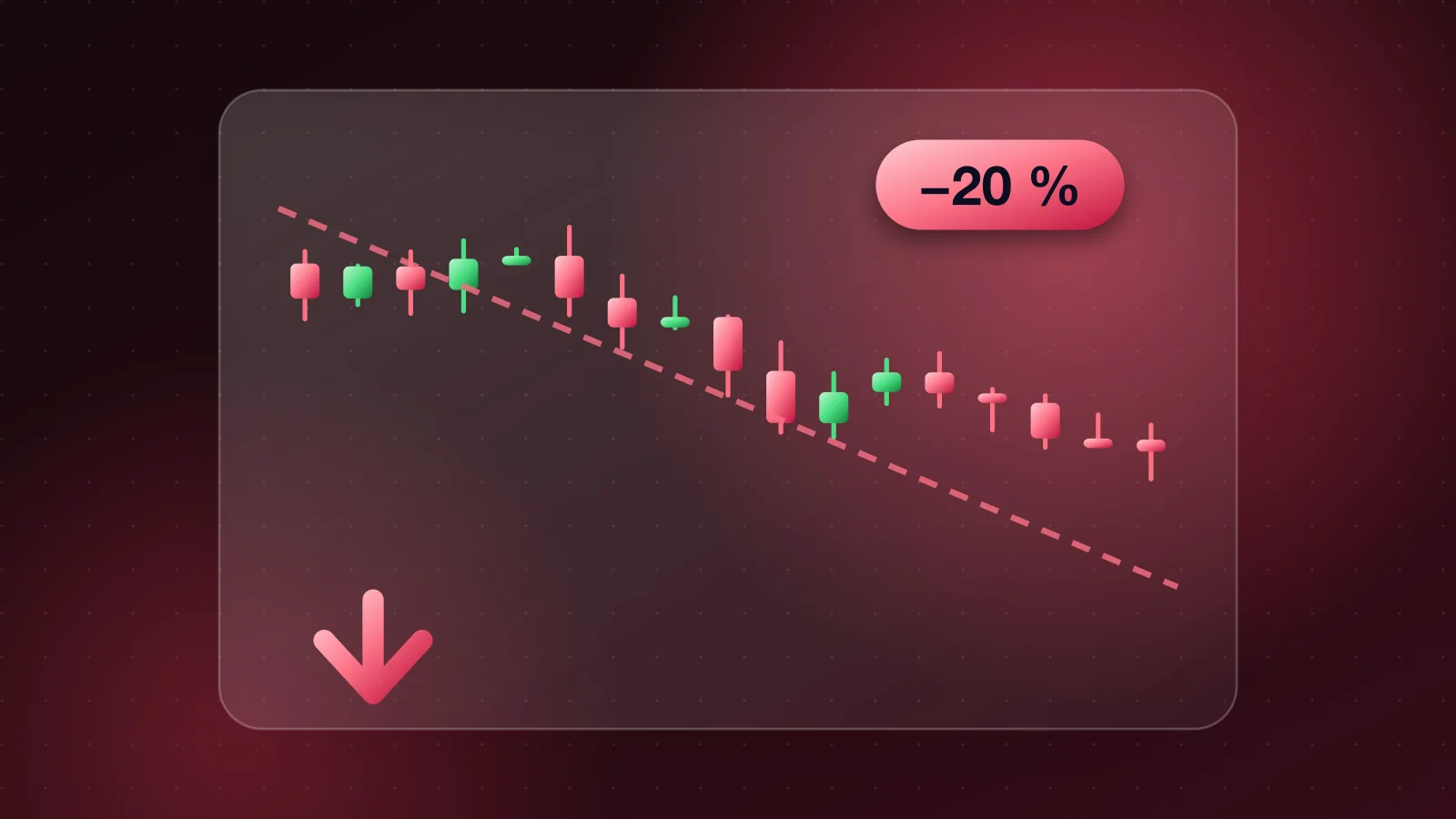
Not entirely. It reduces the risk of a single company or sector, but in an overall decline diversified portfolios fall too. See What is a bear market.
What is rebalancing?
Occasionally bringing a portfolio back to a chosen proportion, for example once a year when the ratio of stocks to bonds has shifted.
For information only, not investment advice. Diversification does not guarantee a profit or prevent a loss.