How to Invest in Gold: Physical Gold, ETFs and Mining Stocks
The ways to invest in gold: physical bars and coins, gold ETFs and ETCs, and mining stocks. Costs, risks, taxes in brief and how much gold a portfolio may hold.
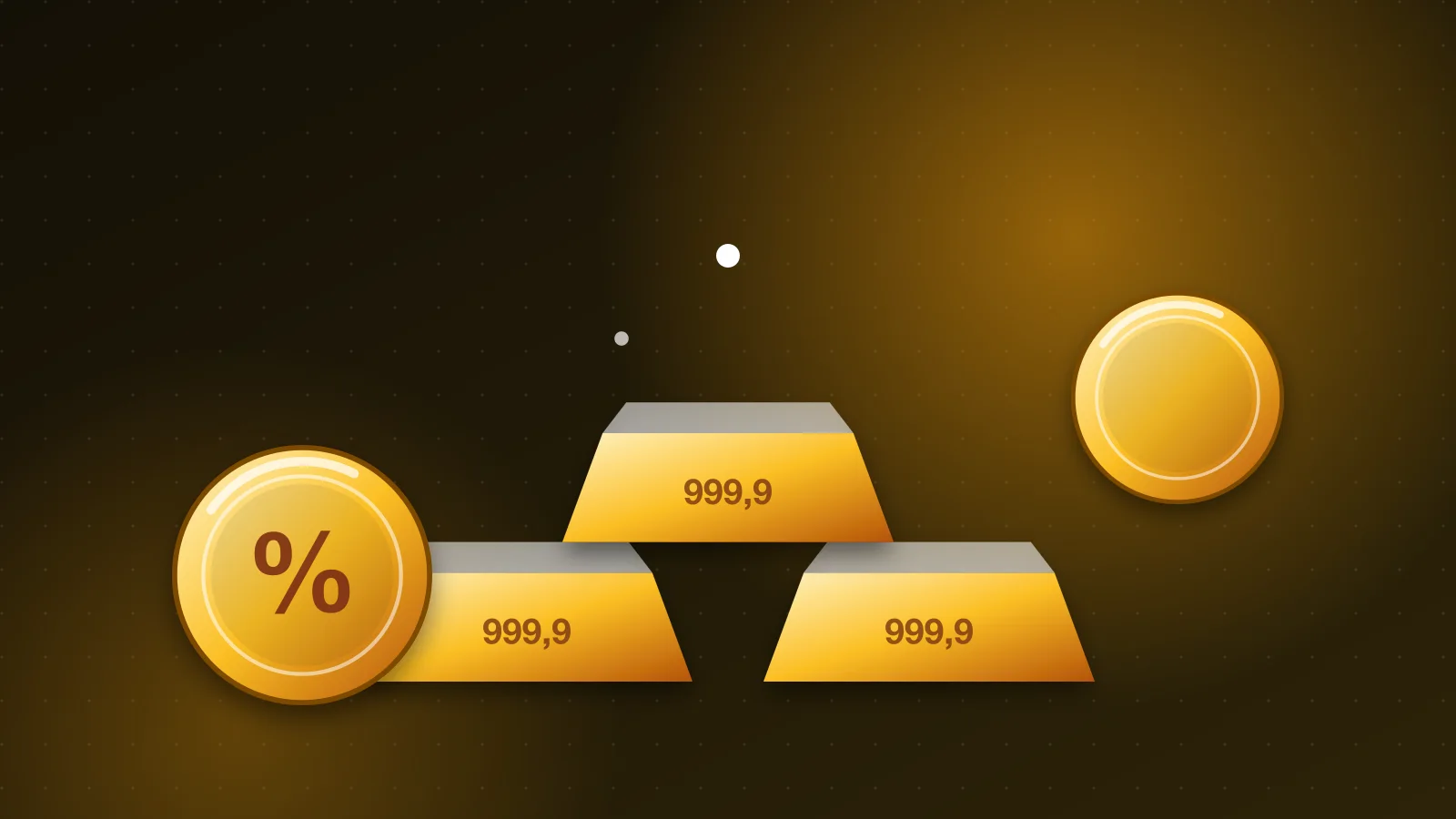
In short: you can invest in gold physically (bars and coins), through gold ETFs and ETCs at a broker, or through shares of gold miners. Gold pays no dividends, its price swings, and it is mainly used to spread risk. For most people the simplest route is a gold ETF or ETC at a broker.
Why people hold gold
Gold is a traditional store of value. People hold it as protection against inflation and market uncertainty, and as a portfolio add-on because it sometimes moves differently from stocks. It produces no income, so its value depends only on its price. Follow the live gold price and read what moves it.
The options
1. Physical gold (bars and coins)
- Pros: you own a tangible asset and do not rely on a third party.
- Cons: a dealer premium when you buy and a discount when you sell, storage and insurance costs, and the risk of theft.
2. Gold ETFs and ETCs
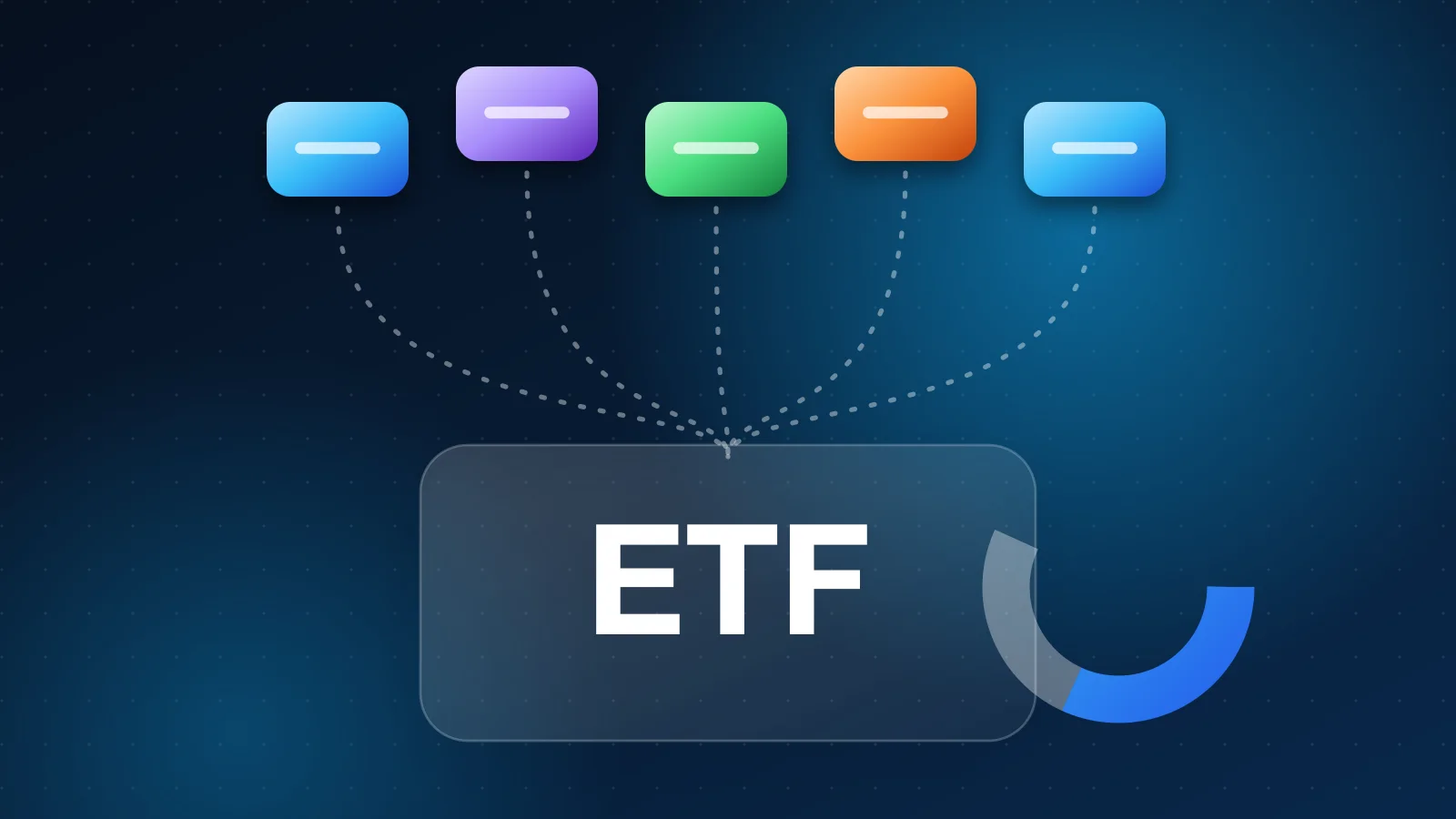
These are securities that track the gold price, often backed by physical gold. You buy them like shares at a broker, with no storage worries, and pay an annual fee. Widely held examples are GLD and IAU in the US and physical gold ETCs listed in Europe. Compare brokers in our neutral comparison, and see What is an ETF for how funds work.
3. Gold mining stocks
These are companies, not gold itself. Their prices can rise and fall more than the gold price because they also depend on costs and management. The risk is higher.
4. Savings plans for physical gold
Some providers offer regular purchases of physical gold. Check the fees, the storage and whether you can take delivery.
Taxes
Gold ETFs and ETCs are usually taxed like other securities, while physical gold can be treated differently depending on the country and how you hold it. Rules vary a lot, so check them with your tax authority or an adviser.
How much gold in a portfolio
There is no exact ratio. Gold usually makes up only a small part of a portfolio. Diversification is explained in Portfolio diversification.
Risks
- The gold price can fall or stagnate for a long time.
- No dividends or interest.
- Fees and premiums on physical gold.
- Currency risk: gold is traded in dollars.
Frequently asked questions
Is gold a good hedge against inflation?
Over the long term it often holds its purchasing power, but over shorter periods it can swing and not follow inflation. See Inflation and investing.
Is physical gold better than an ETC?
Physical gold is in your hands but you pay a premium and storage. An ETC is convenient and cheap, but you rely on the issuer and the broker.
How much gold should I buy?
Usually only a small part of the portfolio, as a complement to stocks and other assets.
For information only, not investment advice. The price of gold fluctuates and you can lose part of your investment.