Inflation and Investing: How to Protect Your Savings From Losing Value
What inflation is, how it erodes savings, why the real return matters and how people defend against inflation with stocks, ETFs, gold, property or bonds.
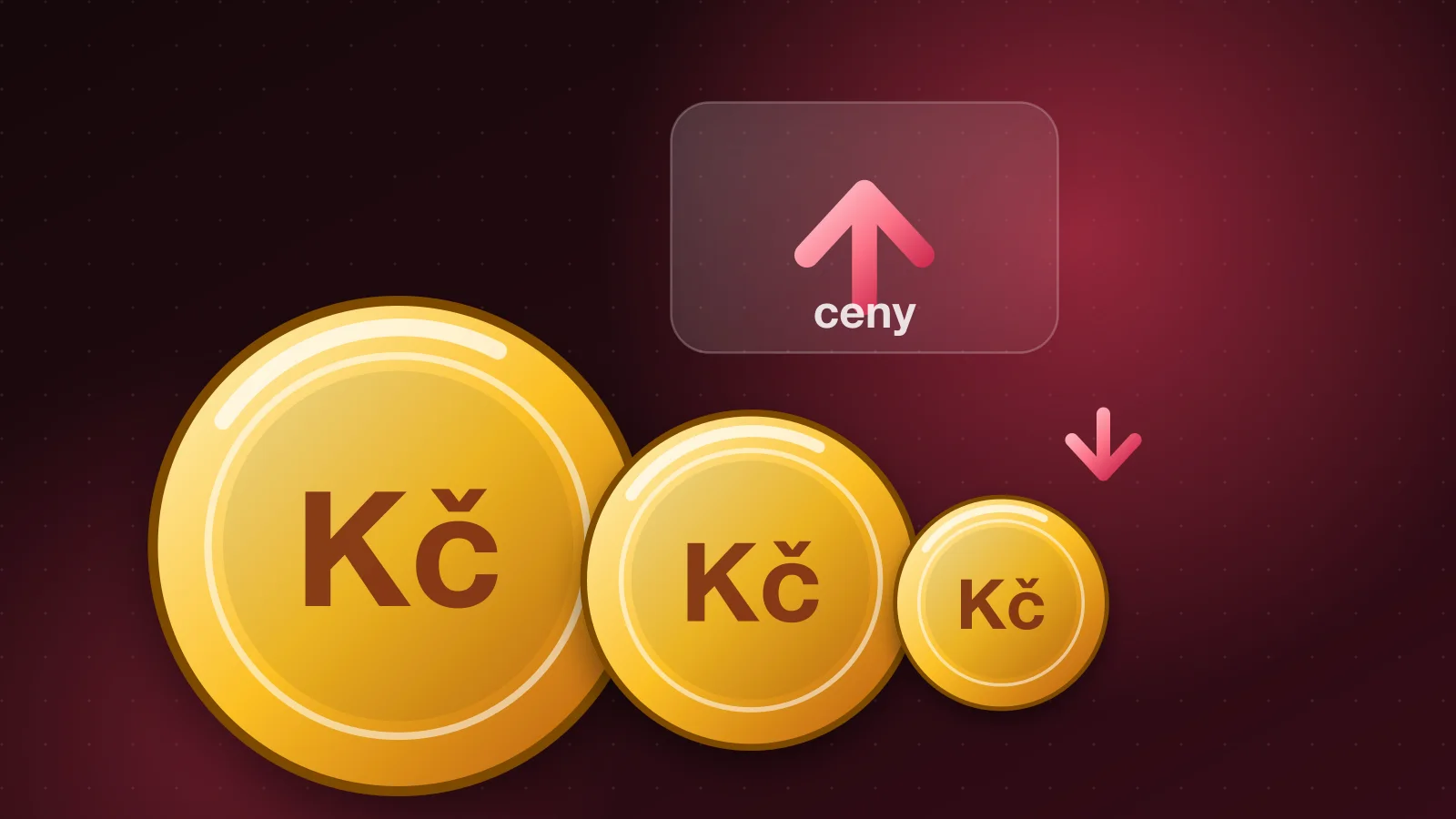
In short: inflation is a rise in prices that means the same money buys less. Money in a current account with a low interest rate therefore loses purchasing power. Over the long term, investing in real assets (stocks, ETFs, property, to a degree gold) helps defend against inflation, but no protection is guaranteed.
What inflation is
Inflation is a general rise in the prices of goods and services. It is measured as the year-on-year change in consumer prices. At 3% inflation a year, the same basket of goods costs 3% more after a year. The interest on your deposit then has to beat inflation or your money loses value.
Real vs nominal return
The nominal return is the number you see (for example 4% interest). The real return is the nominal return after subtracting inflation. If an account earns 4% and inflation is 3%, your real return is about 1%. If inflation is higher than the interest, you are losing in real terms.
Example: what inflation does to $10,000
At a steady 3% inflation a year, the real value of $10,000 falls over 10 years to roughly $7,440 in today's money. To keep the same purchasing power, the money would have to grow to about $13,440. The longer the horizon, the more inflation hurts. Try your own numbers in the compound interest calculator, which shows the real value after inflation.
What defends against it
- Stocks and equity ETFs. Companies can raise prices, so profits and share prices usually beat inflation over the long term, though they swing in the short term. See What is an ETF.
- Property. Prices and rents often follow inflation, but property is less liquid and needs a lot of capital.
- Gold. It is seen as a store of value, but it pays no dividends and its price fluctuates. See the live gold price.
- Inflation-linked bonds. Some bonds have a return tied to inflation. Check the terms of the specific issue.
- Savings accounts. Your reserve has to stay available, but look for the highest interest rate. Rates change, so compare current offers.
What to avoid
- Keeping all your money in a current account at minimal interest.
- Chasing quick profits with higher risk just out of fear of inflation.
- Short-term bets. Protection from inflation is a long-term matter.
Regular investing is described under how compound interest works, and how to split your money in Portfolio diversification. Where inflation is heading is tracked on our US inflation page.
Frequently asked questions
How do I know inflation has taken my money?
Compare the interest on your account with inflation. If the interest is lower, you are losing purchasing power.
Does gold protect against inflation?
Over the long term gold often holds its purchasing power, but it can swing and may not follow inflation in the short term.
Should I invest everything because of inflation?
No. A reserve of three to six months of expenses should stay available outside risky investments.
For information only, not investment advice. Investing is risky and protection from inflation is not guaranteed.