Real Estate Investing Without Buying a Property: REITs, ETFs and Crowdfunding
How to invest in real estate indirectly through REITs, property ETFs, crowdfunding and property funds, with a comparison of liquidity, costs and risks.
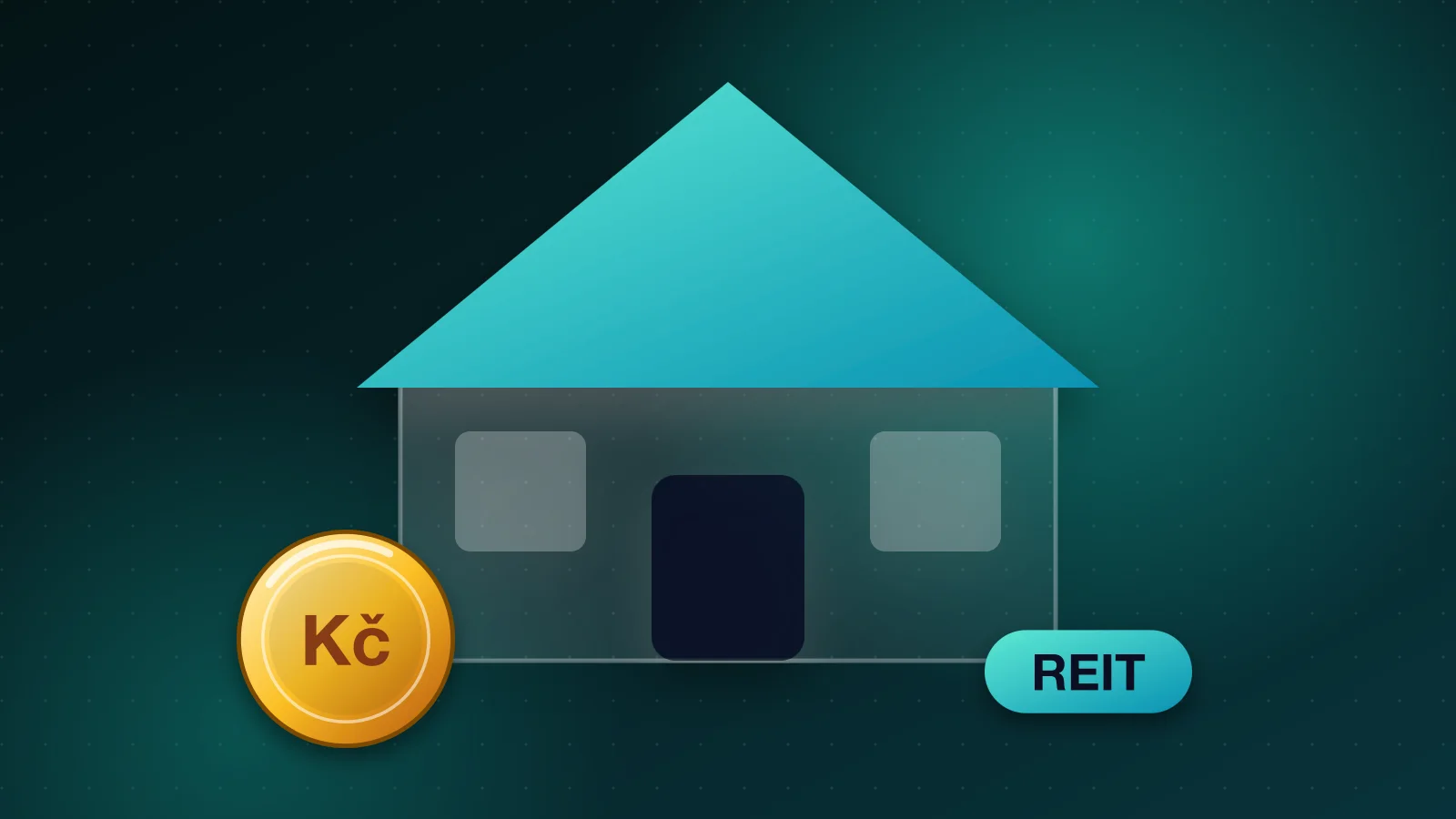
In short: you can invest in property indirectly through REITs and property ETFs (traded like stocks), through crowdfunding or through property funds. You do not need a mortgage or large capital, but you must accept risk and, in some forms, low liquidity.
Why property in a portfolio
Property can bring rental income, and prices often follow inflation. As a complement to stocks and bonds it can spread risk, see Portfolio diversification. But buying a flat directly needs a lot of capital and management and carries concentrated risk.
1. REITs and property ETFs
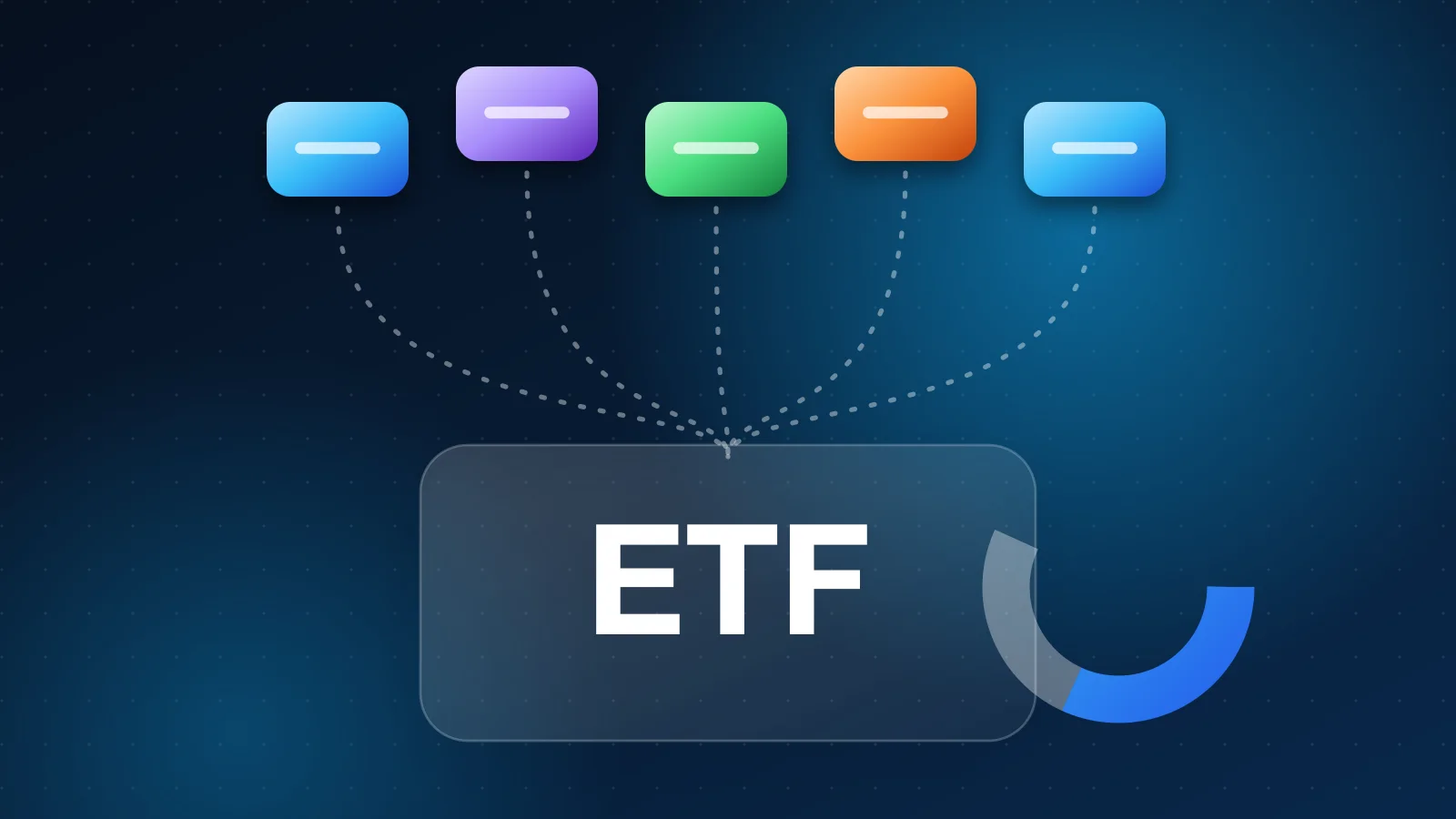
A REIT is a company that owns or finances property and pays out most of its profit to shareholders. A property ETF holds a basket of such companies. You buy them at a broker like stocks, you can sell at any time and small amounts are enough. Examples widely held in the US are VNQ (US real estate) and VNQI (international real estate ex-US).
- Pros: liquidity, low entry amounts, diversification.
- Risks: the price fluctuates like a stock and is sensitive to interest rates.
2. Property crowdfunding
Investors jointly finance a specific project (a development, a rental) and receive interest or a share. The minimum investment is often low, but the risks are higher: the project may be delayed or default, your money is tied up and it is hard to sell. Read the terms of the specific platform and project carefully.
3. Property funds
Funds buy property and investors own shares in them. Fees tend to be higher and withdrawals limited, so check the terms.
Comparison
| REITs and ETFs | Crowdfunding | Buying directly | |
|---|---|---|---|
| Entry amount | low | low to medium | high |
| Liquidity | high | low | low |
| Management | none | none | yours |
| Main risk | price swings | project, delays | concentration, costs |
Taxes and fees
REITs and ETFs are usually taxed as securities, while income from crowdfunding can be taxed differently depending on the country. Check the rules with an adviser. Watch all fees: management, entry and exit.
Frequently asked questions
Is a property ETF worth it?
It can widen diversification, but its price fluctuates and returns are not guaranteed. It depends on your goal and risk tolerance.
Is crowdfunding safe?
It is risky. Delays or project failure are possible and money is often tied up. Do not invest more than you can afford to lose.
Is it better to buy a flat or invest in a fund?
A flat needs capital and work but gives control. Funds are simpler and more liquid but give you no direct influence.
For information only, not investment advice. Real estate and crowdfunding investments are risky and you can lose part or all of your investment.