How to Invest in the S&P 500: ETFs, Fees and Currency Risk
How to invest in the S&P 500 through an ETF: how to choose a fund, accumulating vs distributing, fees (TER), currency risk and what US vs European investors need to know.
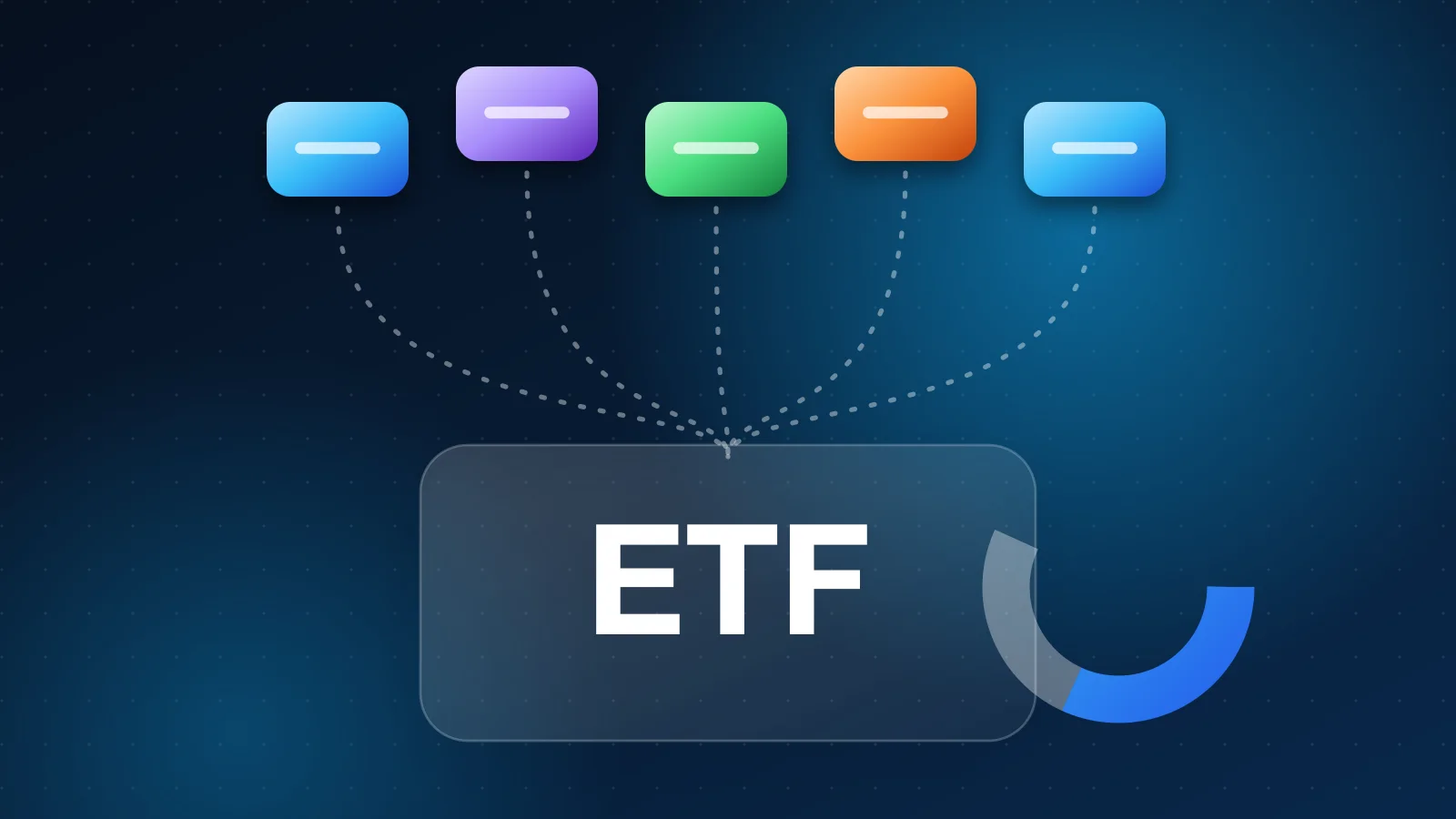
In short: you cannot buy the S&P 500 index itself. You invest through an ETF that tracks it. What matters is the fund's annual fee, whether it reinvests income, which exchange line you can actually buy where you live, and the currency risk if the fund is not in your own currency. It is a one-country, technology-heavy index, so it is a core holding for many, not a complete portfolio.
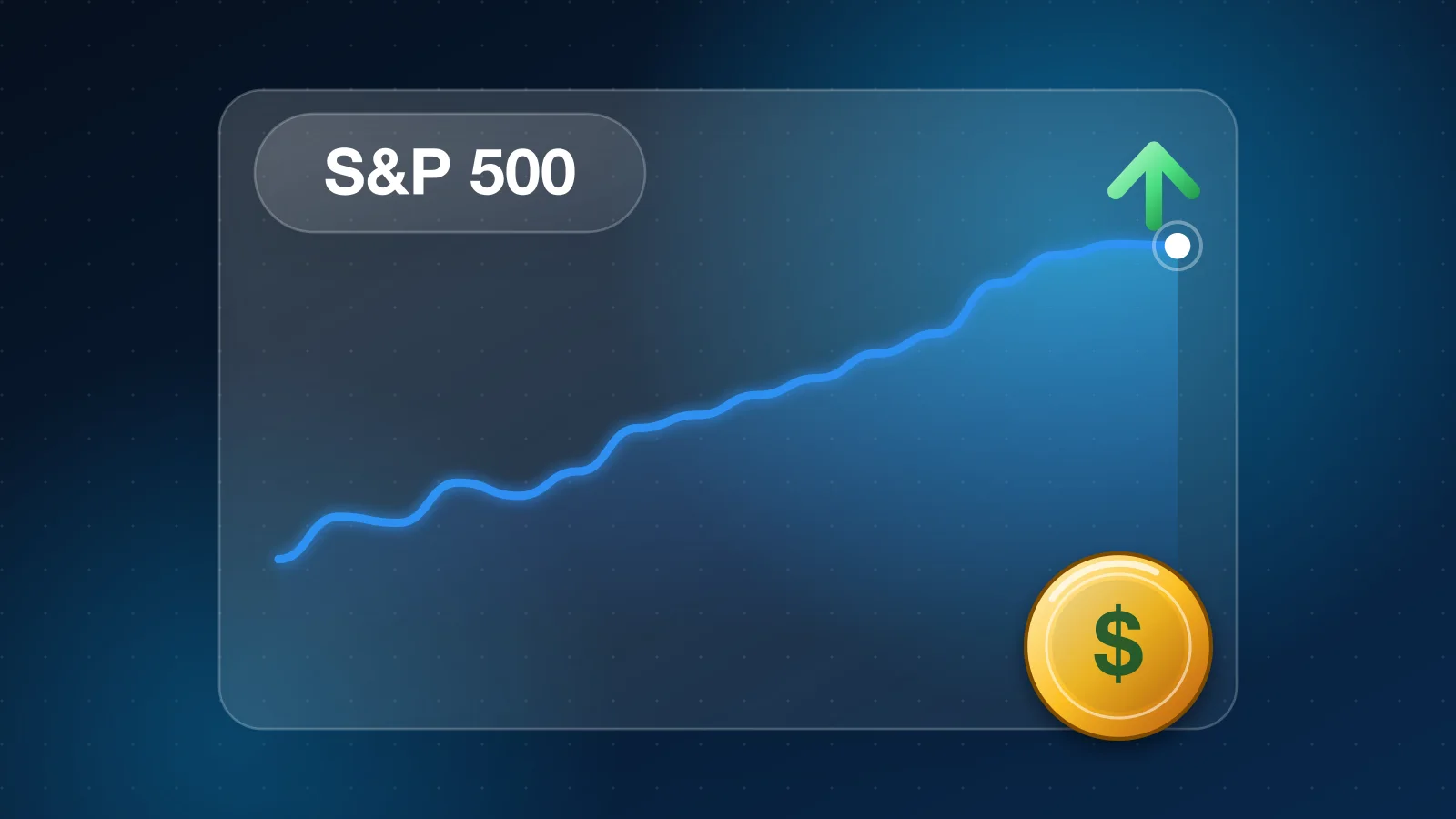
The S&P 500 is an index of 500 of the largest US listed companies and one of the most followed gauges of the stock market. You can follow its live level on our S&P 500 page. To invest, you buy an ETF that copies it. Here is what decides how much of the return you keep.
How to choose an S&P 500 ETF
- US-listed or UCITS. In the US, popular funds such as VOO, IVV and SPY are available to everyone. Retail investors in the EU and the UK are usually blocked from US-listed ETFs by packaged-product disclosure rules, and use UCITS funds instead, typically traded in euros, pounds or dollars on European exchanges.
- Annual fee (TER). Funds on the S&P 500 charge fractions of a percent a year. A difference of 0.1% a year adds up over decades.
- Accumulating or distributing. An accumulating fund reinvests dividends; a distributing fund pays them out to your account. Which is better can depend on how your country taxes funds.
- Size and replication. A larger fund tends to be steadier. Physical replication means the fund really holds the index shares.
Examples of widely held European accumulating funds are iShares' SXR8 (CSPX), Vanguard's VUAA and SPDR's SPYL. They differ mainly in TER, size and domicile. Compare them with others before you choose, and read What is an ETF for the basics.
Currency risk
The index is calculated in dollars. If the fund trades in euros or pounds and your income is in another currency, exchange-rate moves can add to or reduce your return. Regular investing smooths out the effect of when you buy. You can follow the main rates on our EUR/USD page.
Taxes in brief
- Dividends. With an accumulating fund you receive nothing to report; with a distributing fund the dividends are taxed under your country's rules.
- Selling. Gains on sale are taxed under your local rules, which can include allowances or holding-period exemptions. Rules change, so check the current ones or ask a tax adviser.
- Records. Keep the confirmations of purchases and sales from your broker.
How to buy
You need an account with a broker that offers the fund you chose. Compare them in our neutral broker comparison, and see Trading 212 vs XTB and DEGIRO vs Trading 212 for two common comparisons. Investing the same amount every month smooths the entry price: try the DCA calculator with the S&P 500 and see what regular investing would have produced.
Frequently asked questions
Is the S&P 500 enough diversification?
It covers 500 large American companies, but it is one country and a large part is technology. A world fund spreads wider. See Portfolio diversification.
Can I buy VOO or SPY?
If you live in the US, generally yes. Retail investors in Europe are usually limited to UCITS funds because of disclosure rules.
How much should I invest each month?
An amount that does not strain you. Use the compound interest calculator to see how a monthly amount could grow under different assumptions.
Past performance does not guarantee future returns. For information only, not investment advice.