How to Start Investing From Scratch: A Step-by-Step Guide
A practical guide to starting to invest: an emergency fund, goals, ETFs, choosing a broker, regular investing, taxes and the most common beginner mistakes.
In short: first build an emergency fund of 3 to 6 months of expenses, then set a goal and a time horizon, choose a broadly diversified ETF, open an account with a regulated broker and invest the same amount regularly. Do not pick individual stocks from tips, do not use leverage, and expect the value of your investment to fluctuate.
1. Emergency fund and debts first
Investing makes sense only with money you will not need for several years. So first build a reserve of 3 to 6 months of regular expenses in a savings account and pay off expensive debt such as an overdraft or consumer credit. The interest on debt is usually higher than the return you can reasonably expect from investing.
2. Set a goal and a time horizon
Stocks are not suited to a one-year goal, because a market can stay down for a long time. Equity investing makes sense over five years or more. The goal may be retirement, a home or a financial cushion. The shorter the horizon, the more cautious the share of stocks should be.
3. Choose what to invest in
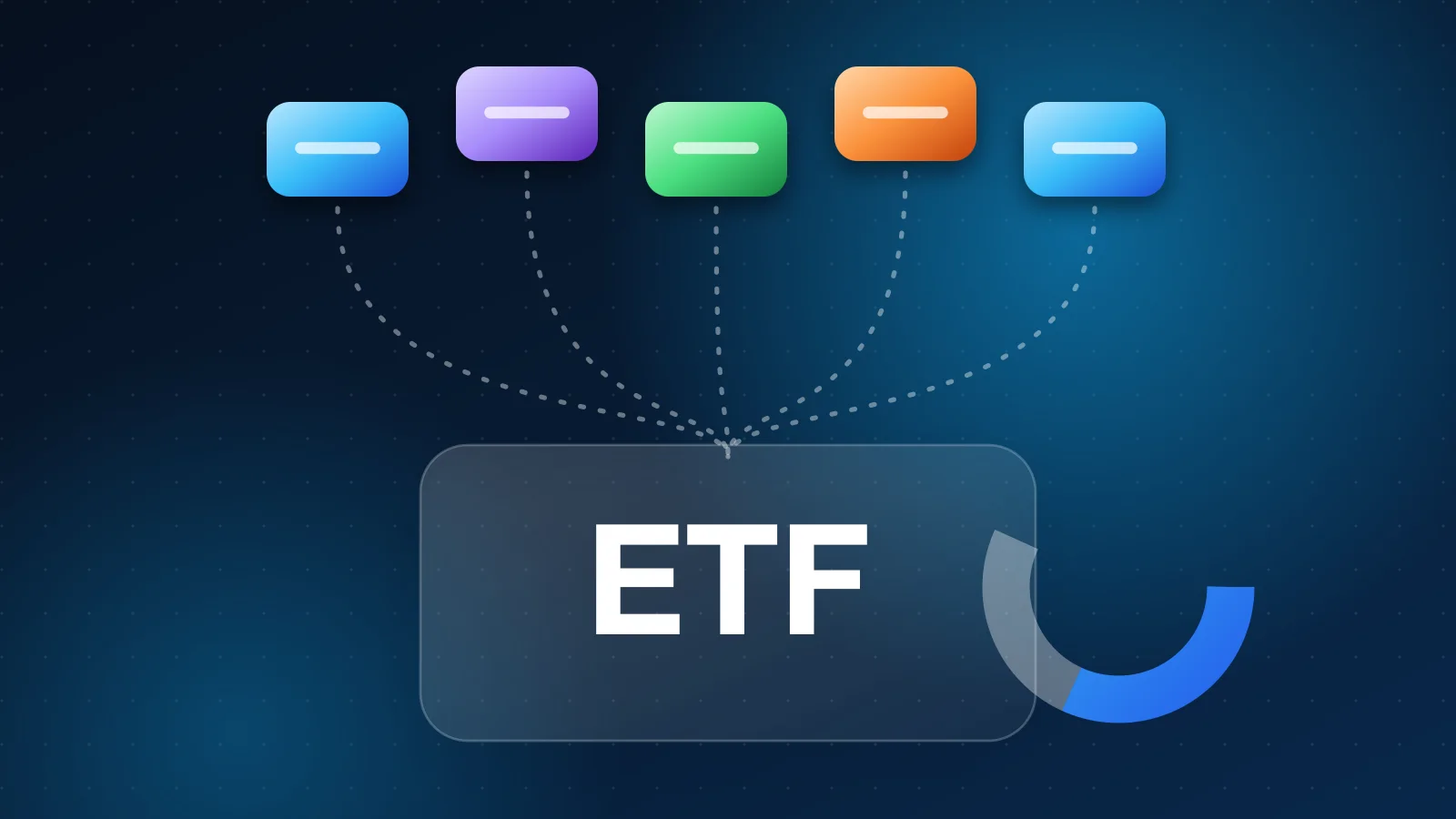
Beginners are most often pointed to ETFs, funds that copy a whole market or index. One purchase gives you a share in dozens to thousands of companies at low cost. Read What is an ETF.
- A global ETF covers stocks from around the world.
- An S&P 500 ETF follows the 500 largest US companies. See How to invest in the S&P 500.
- Individual stocks take time and a higher tolerance for risk. Our stock screener can help, but ETFs are simpler for a start.
For each fund, look at the annual fee (TER), the size of the fund and whether it is accumulating (reinvests income) or distributing (pays dividends out). Where you live decides which funds you can buy: investors in Europe and the UK usually use UCITS funds, while US-listed funds are widely available in the US.
4. Choose a broker
A broker is the platform you buy through. It should be regulated, have low fees, a clear interface and the option of regular investing. Compare providers in our neutral broker comparison and read Trading 212 vs XTB and DEGIRO vs Trading 212. Currency conversion fees, the choice of ETFs and the convenience of the app usually decide.
5. Invest regularly
Do not try to hit the best day to buy; almost nobody manages it for long. The proven approach is dollar-cost averaging: you buy the same amount every month whether the market is up or down. Choose an amount that does not strain you and raise it over time. Try it on the DCA calculator and see the effect of time in the compound interest calculator.
6. Remember taxes
Tax rules for gains and dividends differ a lot between countries, with allowances, holding-period exemptions and special accounts in some. Check the rules where you live or ask an adviser, and keep your broker's statements.
The most common beginner mistakes
- Investing without an emergency fund and with money you will soon need.
- Chasing quick profits and buying on internet tips.
- Leverage and CFDs. Most retail clients lose money on CFDs, so avoid them at the start. See What is a CFD.
- Panic selling when the market falls. Swings come with stocks, and short-term drops are normal. See What is a bear market.
- Too many products at once. A simple portfolio of one or two ETFs is enough to begin with. See Portfolio diversification.
What about crypto?
Crypto assets are much riskier and more volatile than stocks. If you are interested, hold only a small part of your wealth and read How to spot a crypto scam first.
Frequently asked questions
How much money do I need to start?
No large amount. At most brokers you can start with a small sum, and fractional shares let you buy small parts of an ETF or a stock.
Is it better to invest a lump sum or regularly?
Regular investing reduces the risk of bad timing and is psychologically easier. A lump sum often does better statistically only if the market then rises, which nobody knows in advance.
Which ETF is best for a beginner?
A broadly diversified global or S&P 500 fund with a low annual fee.
Can I lose money?
Yes. The value of investments fluctuates and can fall by tens of percent in the short term. A long horizon and diversification reduce the risk but do not remove it.
For information only, not investment advice. Investing is risky and you can lose part or all of your investment.